
Dilapidations Costs & What Moves Them
Honest guidance on what the works cost – and what pushes the number up or down.







What dilapidations works typically cost
There is no single rate for dilapidations. Two units of the same size can carry very different bills depending on how much fit-out has to come out and how much making good the lease demands. As a rough guide, a straightforward office reinstatement often works out at a low double-figure cost per square foot, while a heavy strip-out with steelwork removal, extensive M&E and full redecoration sits higher. Treat any figure as a starting point, not a quote – the only price you can rely on is one written against your actual schedule after a site visit.
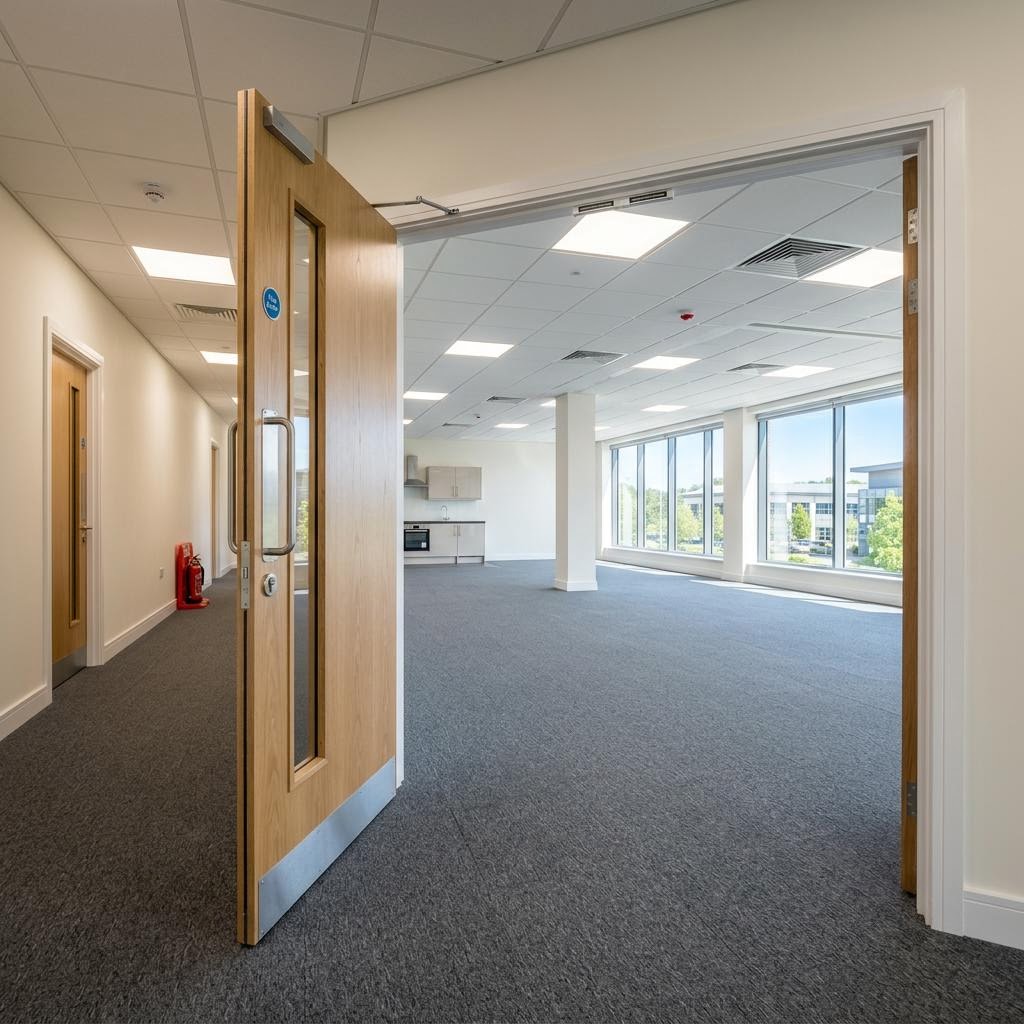
If you want to understand the numbers before we visit, our guide to dilapidations costs walks through how claims and works budgets are typically built up.
What drives the cost
Six things move the price more than anything else:
- Floor area. More square footage means more materials to remove and more surface to make good.
- Extent of the schedule. A short schedule covering redecoration is cheap; a full schedule of dilapidations listing structural reinstatement, floors, ceilings and services is not.
- Mezzanine steelwork. Removing a bolted or welded mezzanine adds craneage, cutting and heavy waste handling on top of the standard strip.
- Access restrictions. Upper floors, tight loading bays, shared service yards and lift-only access all slow the works and add labour.
- Waste volumes. The more you take out, the more you pay to remove and dispose of it lawfully – this is often underestimated.
- Programme pressure. A tight lease expiry can mean out-of-hours or weekend working, which costs more than a relaxed run.
We assess all six on a site visit and set them out item by item, so you can see where the money goes. Larger jobs such as office strip-out and mezzanine removal are where these drivers bite hardest.
Why line-by-line pricing protects you
We price every item on the schedule separately rather than giving one lump sum. That matters for tenants. When each line has its own cost, you can see exactly what you are being asked to pay for and challenge anything that looks over-specified or already covered by the landlord's own plans.
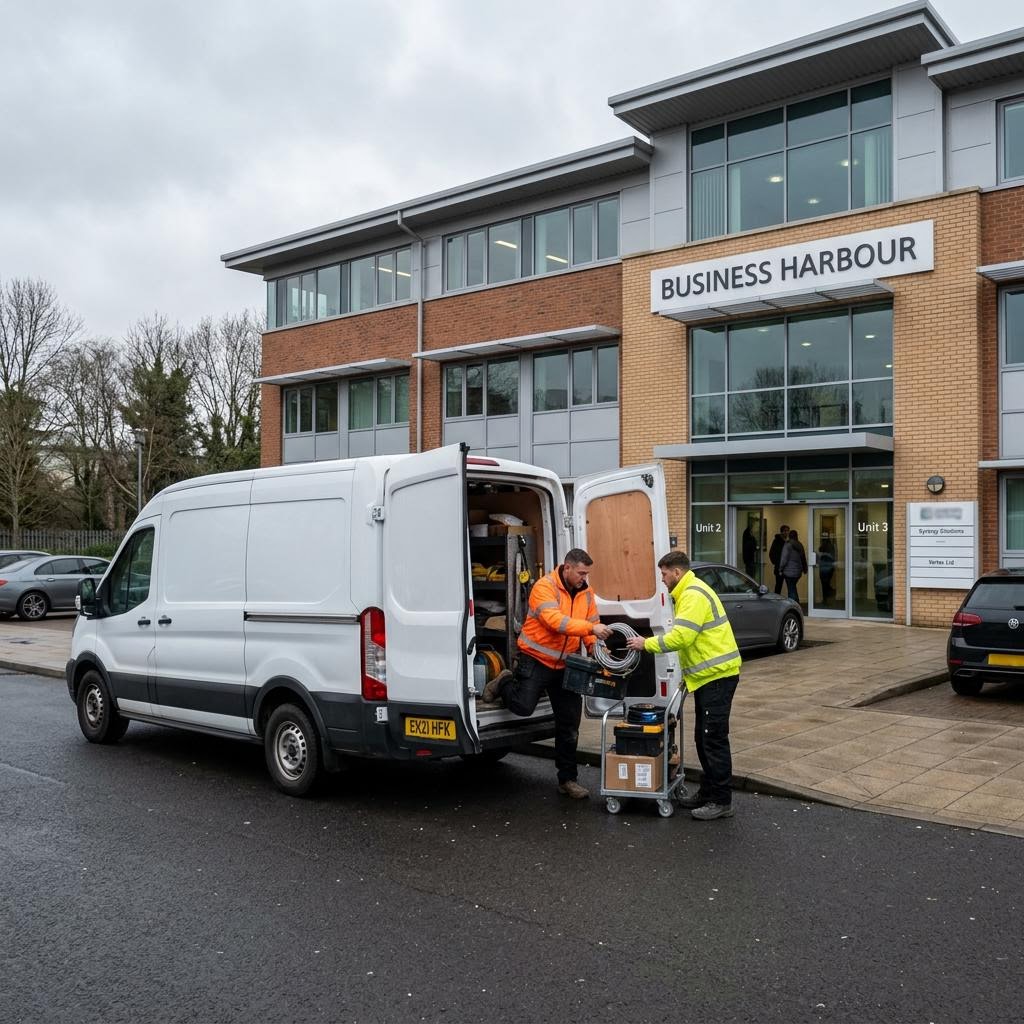
It also gives you leverage where supersession applies – if the landlord intends to alter or refurbish an element you are being asked to reinstate, that item may fall away entirely, and a line-by-line quote makes it easy to strike out. The same clarity helps your surveyor negotiate the claim down without guesswork.
When full works may not be the right route
We will say this plainly, even though we do the works: doing every item on the schedule is not always your cheapest option. Where a landlord plans to redevelop, refurbish or re-let in a materially different configuration, a negotiated financial settlement can cost you considerably less than physically carrying out works that will simply be torn out again.
The landlord's loss is capped by the diminution in the value of their interest, which is where a Section 18 valuation comes in. Before you commit to either route, take advice from a dilapidations surveyor. If the works are the right answer, we will price them honestly; if a settlement is cheaper, you should know that first.
Once you have decided, our step-by-step process from enquiry to handover shows exactly what happens next. We also handle Cat A reinstatement where a lease requires the space returned to landlord shell standard.
Been served a schedule?
Get a fixed price for the works. We price line by line against your schedule.
Frequently Asked Questions
Can you give a price over the phone?
Not a reliable one. Dilapidations costs depend on floor area, the extent of the schedule and site access, so we quote after a site visit. We give you a fixed, line-by-line written price within 48 hours of that visit.
Why do you price line by line against the schedule?
Because it lets you see exactly what each item costs and challenge anything that looks over-specified. A single lump sum hides where the money goes; a line-by-line quote gives you leverage in negotiation with the landlord and their surveyor.
Is doing the works always the cheapest option?
No. Where a property is due for redevelopment or major refurbishment, a negotiated financial settlement can cost far less than physically carrying out the works. Take advice from a dilapidations surveyor before you commit either way.
Do your quotes include waste disposal?
Yes. Our fixed price includes removal under registered waste carrier documentation and duty-of-care paperwork. There are no separate skip or tip charges added later.